
01
Athletes
Elite, amateur or returning to training: running, jumping, strength, cycling, tennis, football, riding, climbing and sport-specific movement.
Assessments for athletes and studies coordinated with professionals, through a capture, analysis and reporting workflow designed to protect each case.
Your message is delivered directly to the responsible team through a private channel.
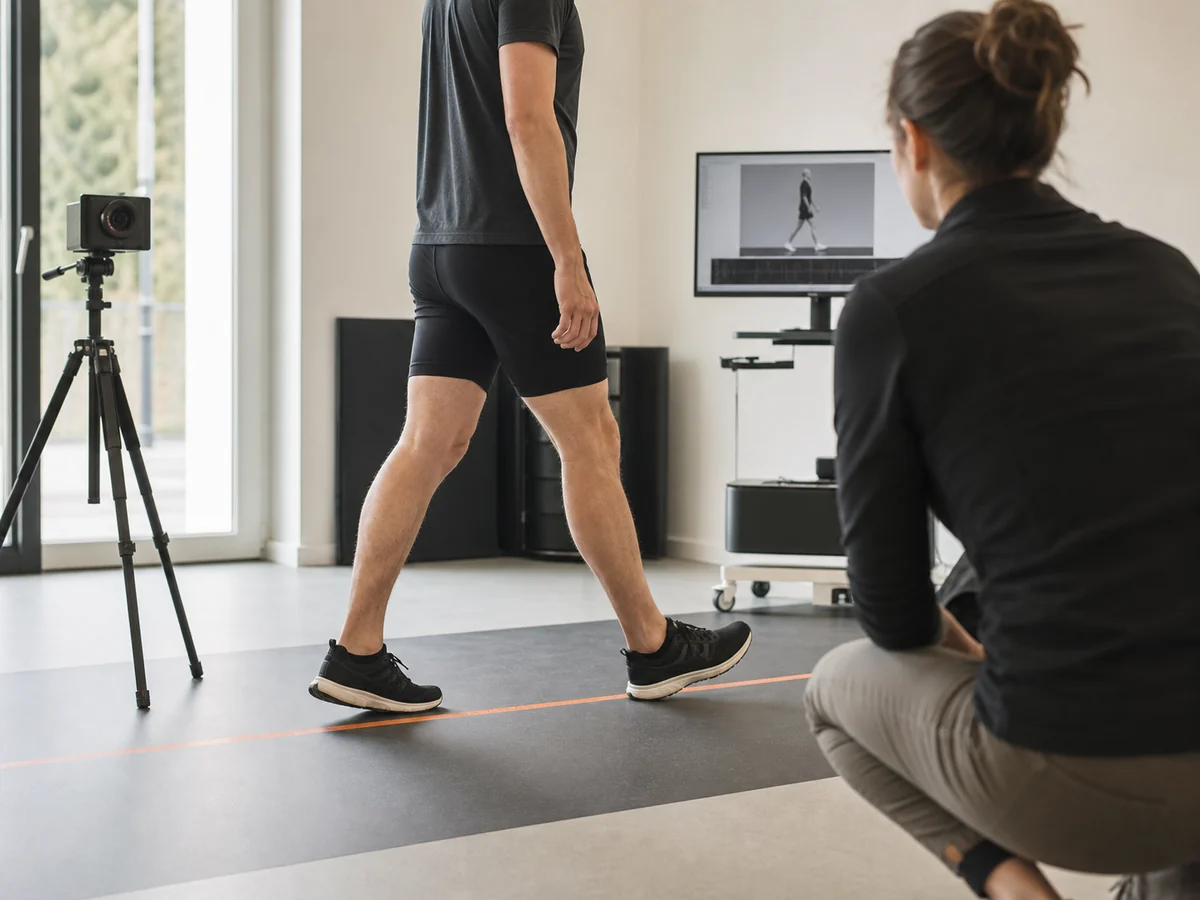
We observe how you move, which task provokes symptoms and which compensations repeat. The outcome is a functional map to discuss with your professional and decide next steps.
Elite, amateur or returning to training: running, jumping, strength, cycling, tennis, football, riding, climbing and sport-specific movement.
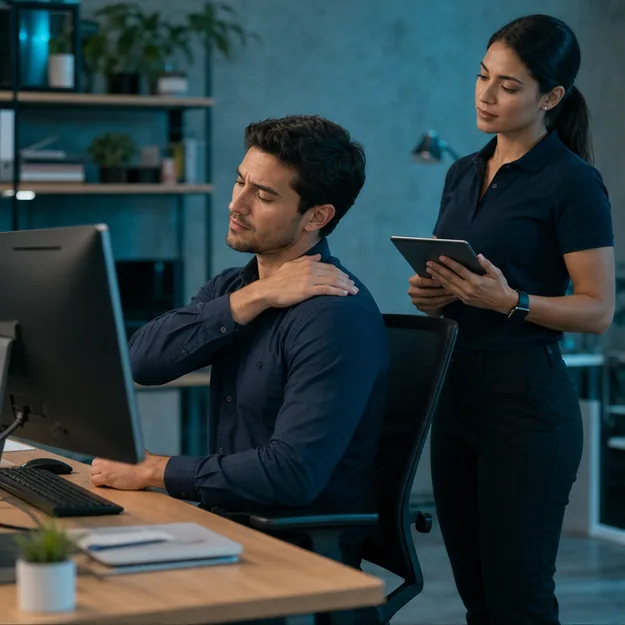
Discomfort while sitting at work, standing up, walking, climbing stairs or holding postures for hours.
A baseline and follow-up comparisons to see whether movement changes, without promising diagnoses or cures.
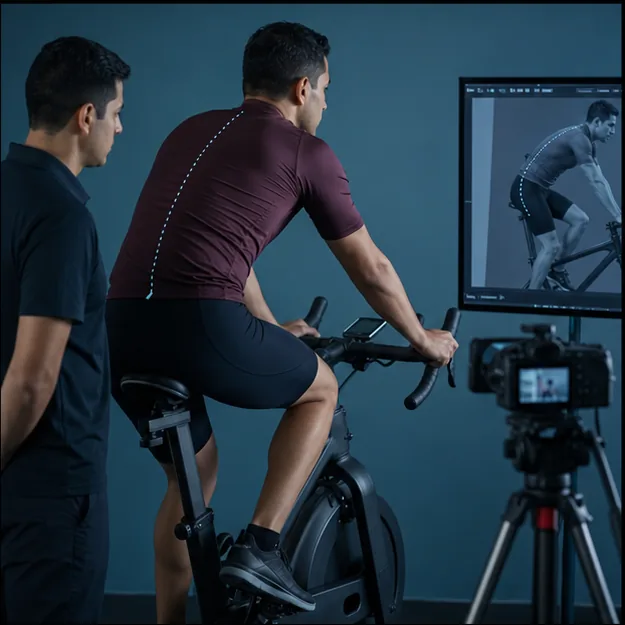
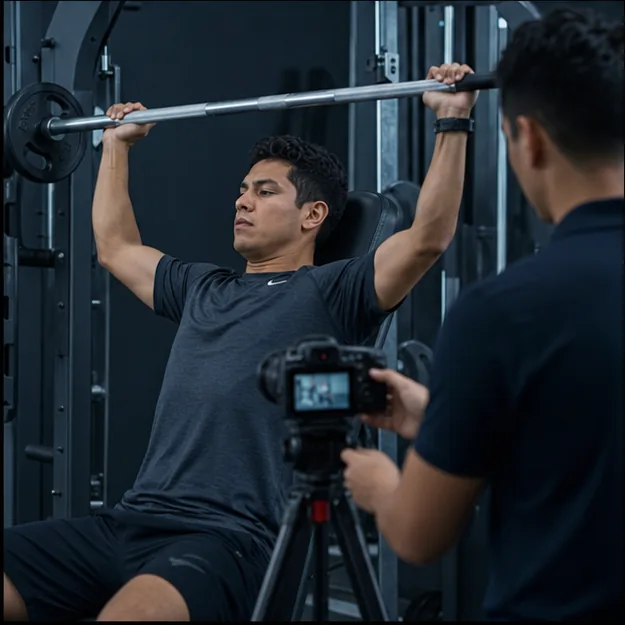
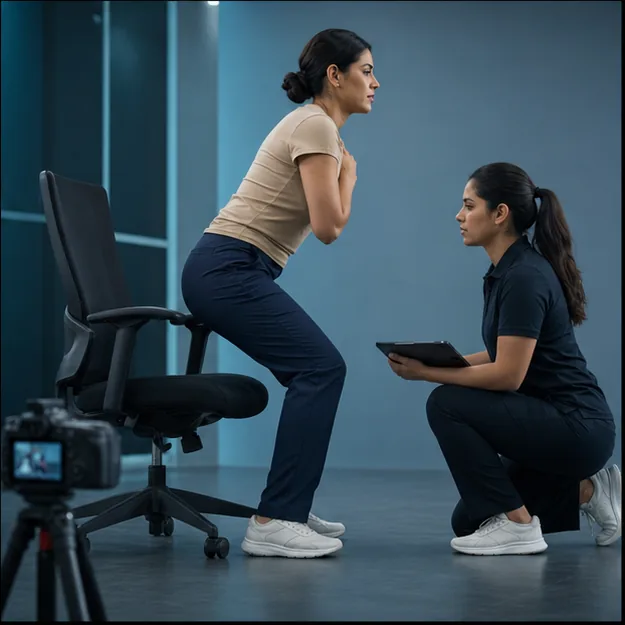
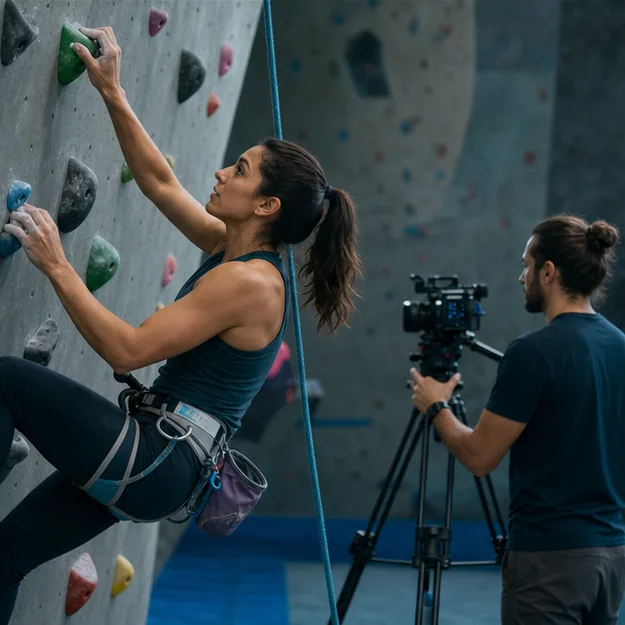
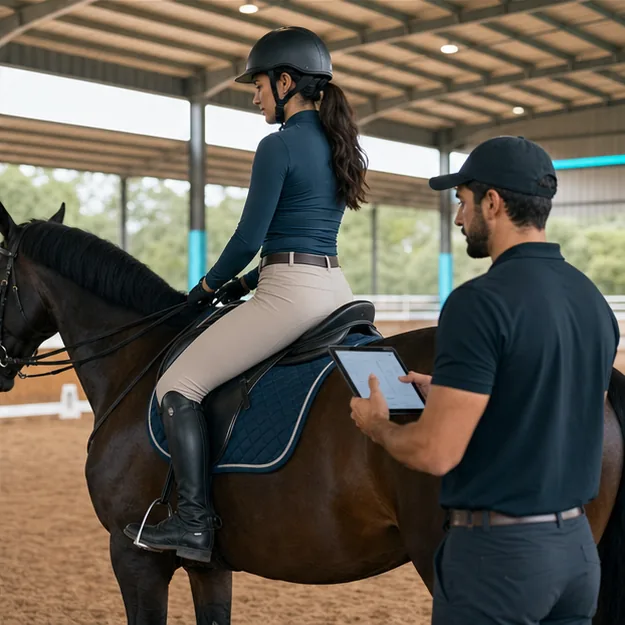
A visible deviation may be relevant, incidental or compensatory. Every finding is interpreted alongside symptoms, history, load, capture quality and professional examination.
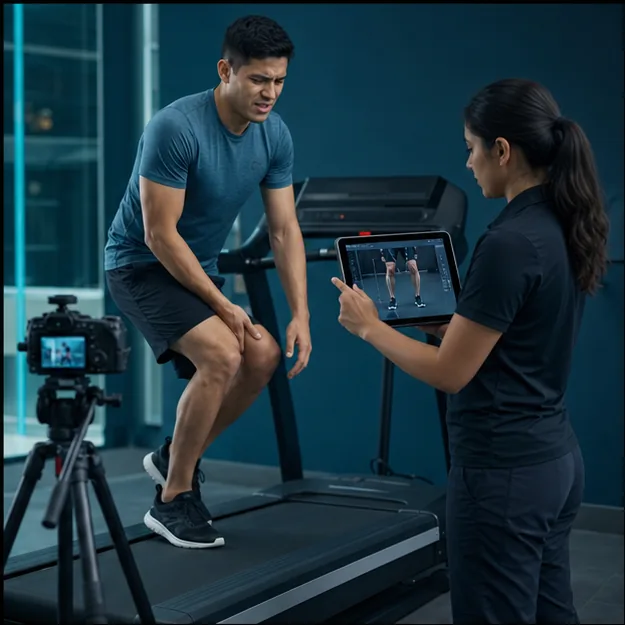
We measure: Cadence, stride, hip–knee–foot alignment, dynamic valgus/varus, impact and symmetry.
Possible tests: Running, step-down, single-leg squat and landing.
We measure: Pelvic control, rotation, extension, lateral stability and trunk compensations.
Possible tests: Gait, running, single-leg stance, squat and step-up.
We measure: Trunk–pelvis movement, flexion/extension tolerance, asymmetry and symptom-provoking tasks.
Possible tests: Gait, sit-to-stand, hip hinge and guided functional tests.
We measure: Head position, scapular rhythm, reach, arm elevation and sustained load.
Possible tests: Desk work, cervical mobility, reach and sport-specific movement.
We measure: Rotation, side-bending, respiratory control and thorax–pelvis relationship.
Possible tests: Trunk rotation, push, pull and seated posture.
We measure: Angles, speed, stability and load distribution during grip, support and throwing.
Possible tests: Press, pull, tennis, climbing and repetitive tasks.
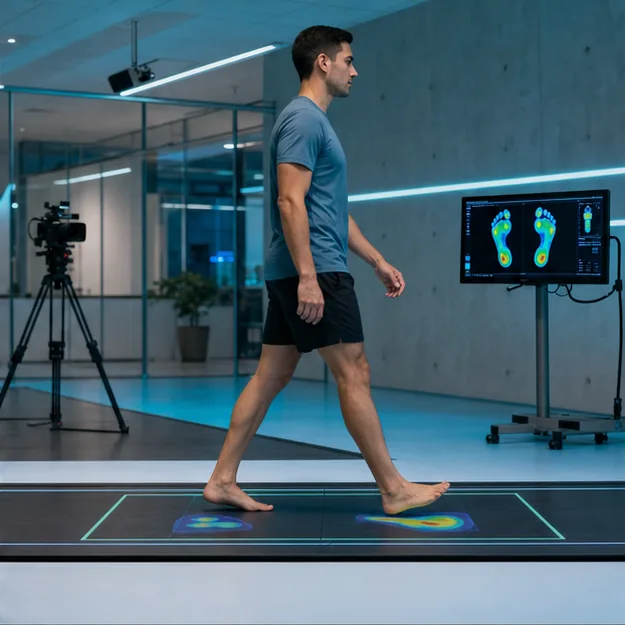
We measure: Contact, center-of-pressure progression, pronation/supination, dorsiflexion and symmetry.
Possible tests: Gait, running, heel raise and single-leg balance.
We measure: Technical efficiency, useful range, power, intersegmental coordination and session-to-session change.
Possible tests: Sprint, jump, strength, cycling and sport-specific movement.
We recommend urgent care when there is major trauma, severe or progressive pain, fever, loss of strength or sensation, bladder/bowel changes, unexplained night pain or another red flag.
Clear answers about discomfort, timing, imaging, deliverables and privacy.
We can observe cadence, stride, hip–knee–foot alignment, dynamic control and symmetry during running, step-down or single-leg squat tasks. The analysis guides functional hypotheses and next steps; it does not diagnose from video.
We analyze how the trunk, pelvis and hips coordinate during gait, sit-to-stand, bending or a task that reproduces discomfort. If red flags appear or diagnosis is required, we recommend clinical assessment or referral.
No. They are different tools. Biomechanics studies movement and can provide prompt functional orientation; MRI and X-ray assess structures and should be used when indicated by a professional.
Capture and several metrics can be viewed during the session. Final delivery depends on complexity, video quality and the professional review needed to place findings in context.
Depending on the service, you receive a clear report, visualizations or annotated video clips, relevant metrics, analysis limits and recommended next steps. Delivery is coordinated through an agreed secure channel.
Yes. We can study sustained posture, reach, cervical mobility, scapular rhythm, sit-to-stand transitions and other daily tasks to identify patterns worth discussing with a professional.
For many cases, well-captured monocular video is enough. When the question requires more spatial detail, we use calibrated and synchronized multi-camera capture. The protocol follows your goal.
The public form does not request videos or medical records. If you proceed, capture is managed through a private process with explicit consent, limited access, defined purpose and controlled retention.
For low back pain, NICE advises against routine imaging in non-specialist care when serious pathology is not suspected; this does not make video diagnostic, but supports reasoned initial assessment and referral when appropriate.